
Does your home environment harbor hidden "killers"?
Home, which should be our warmest place, may actually harbor hidden “killers.” Ordinary cleaning agents and toiletries contain various synthetic chemicals, which can accumulate in our bodies with long-term use and lead to health problems.
Common ingredients in household cleaning products and their health effects during use:
| Cleaning agent name | Element | Health effects |
| Toilet cleaner | Chlorination Classification | Toxic to the respiratory and circulatory systems |
| Glass cleaner | Diethylene glycol | Inhibit the nervous system |
| Disinfectant | Phenols | Toxic to the respiratory and circulatory systems |
| Common surfactants, laundry detergent | Nonyl alcohol ester | Low biodegradability and highly toxic decomposition products |
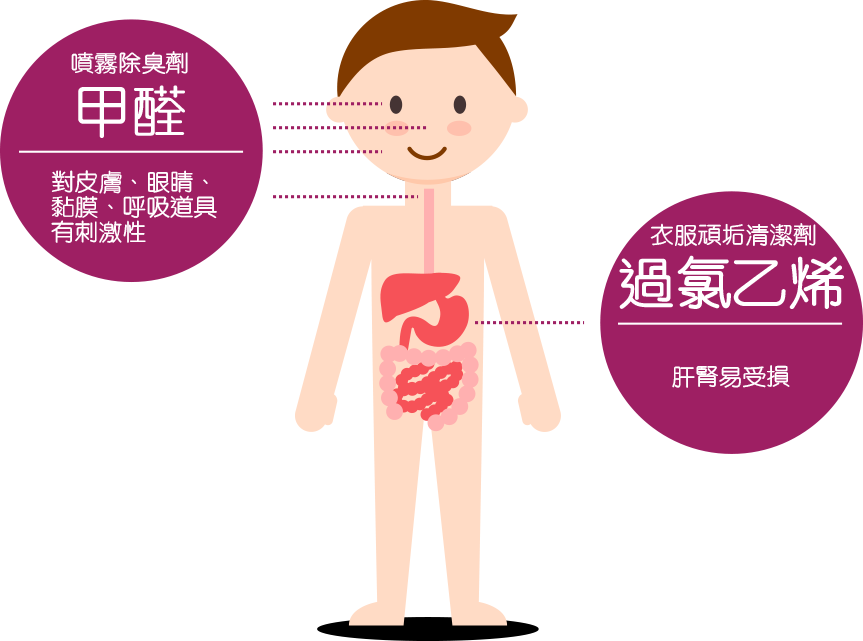
| Spray deodorant | Formaldehyde | It is irritating to the skin, eyes, mucous membranes and respiratory tract. |
| Stubborn stain cleaner | Perchloride | Liver and kidneys are easily damaged |
| Clothing whitening agent | Fluorescent whitening agent | Causes skin allergies |
| Floor cleaner | Petroleum solvents | Damage to mucous membrane tissue |
| Multi-purpose cleaner | Ethylene Glycol Monobutyl Ether | It is toxic to bone marrow, nervous system, liver and kidneys. |
(Source: Homemakers Union Environmental Protection Foundation (Taiwan))
These chemicals, when directly discharged into the water, harm fish and damage marine ecosystems. According to surveys by global environmental organizations, 70% of global water and soil pollution originates from household wastewater, specifically from various cleaning agents made from petrochemical raw materials. Furthermore, phosphates in cleaning agents, once released into the ocean, provide nutrients for algae, leading to their rampant growth and depletion of oxygen in the water. This, in turn, makes it impossible for fish and other marine life to survive—what we call “dead zones.” According to IFOAM, there are currently 245,000 square kilometers of dead zones in the world’s oceans, an area roughly equivalent to 222 times the land area of Hong Kong. Therefore, for health and environmental protection, everyone should try to choose organic cleaning agents and personal care products, and even make their own natural cleaning agents.
Homemade low-carbon natural household cleaner:
| Apply: | Formula: |
| Cleaning tiles | Vinegar (half a cup) + Water (4.5 liters) |
| Cleaning wood floors | Vinegar (2 cups) + Water (4.5 liters) |
| Wood polish | Olive oil (3 parts) + vinegar (1 part) |
| Cleaning carpet | Baking soda (after half a day, vacuum it up). |
| Carpet deodorization | Soak in vinegar overnight, then rinse with warm water the next day. |
| Clean stainless steel pot | Cuttlebone; Baking soda (3 parts) + vinegar (1 part) for cleaning |
| Washbasin | Baking soda (3 parts) + vinegar (1 part) |
| Cleaning dishes | Waste oil soap |
| Cleaning the range hood | Baking soda (3 parts) + vinegar (1 part) |
| Drain cleaner | Vinegar (1 part) + Baking soda (2 parts) |
| Toilet bowl | Vinegar (half a cup) + Water (4.5 liters) |
Choose organic furniture
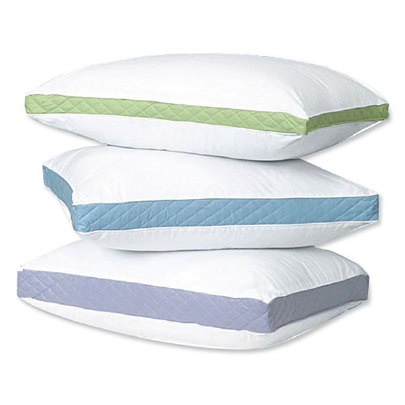
To avoid harmful chemicals from damaging human health, people can choose to buy organic furniture, such as organic mattresses, organic pillows, and so on.
Choose environmentally friendly building materials
Solvent-based paints, solvents, and adhesives are common coating materials that contain large amounts of volatile chemicals, causing air pollution and affecting our health. The odors emitted by these materials also affect neighbors. To avoid these problems, use water-based paints or paints with lower volatile chemical content, and avoid using plywood with high adhesive content.
Using recycled construction materials is also a more environmentally friendly option. In Hong Kong, recycled construction materials can be used for:
- Walls and partitions
- Carpets and other surfaces
- Bench
- Doors and windows
The Environmental Protection Department’s website contains a list of recycled building materials, specifying their specifications.