
With frequent food safety issues, are you eating safely?
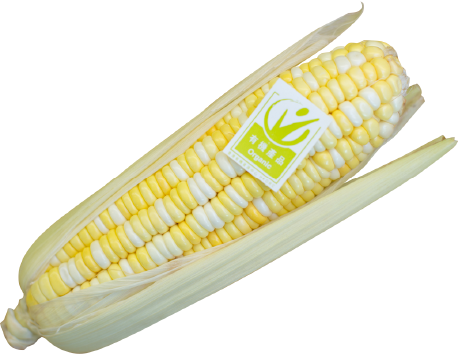
In recent years, food safety issues have occurred frequently. Residues of pesticides, heavy metals, and additives in food produced and processed can be absorbed by the human body and accumulate over time, potentially leading to various health problems and even diseases. This has made the public increasingly concerned about food health and safety. To eat healthily, consider buying more organic foods. Organic foods are produced without chemical fertilizers or pesticides, are not genetically modified, and ensure that raw materials, food additives, and processing aids are all organic. Furthermore, the processing equipment and facilities are kept clean and uncontaminated, thus guaranteeing food safety and health.
This center reminds everyone to look for valid organic certification labels when purchasing organic food. Certification labels indicate that the organic food is produced and processed in strict accordance with organic standards, ensuring that consumers can purchase truly trustworthy organic food.
Hong Kong has the second highest per capita carbon emissions in the world
Hong Kong is a city heavily reliant on imports, and the wide variety of imported products greatly facilitates our lives. However, long-distance transportation of these products generates significant amounts of greenhouse gases. Statistics show that Hong Kong’s per capita carbon emissions are 29 tons per year, ranking second globally. (Data source: Carbon Footprint of Nations: A Global, Trade-linked Analysis) To practice low-carbon emissions reduction and mitigate global warming, this center urges everyone to buy more locally produced food, especially locally grown organic food. This supports emissions reduction while ensuring food safety. If locally produced products are unavailable, try to choose products that are transported from nearby locations.
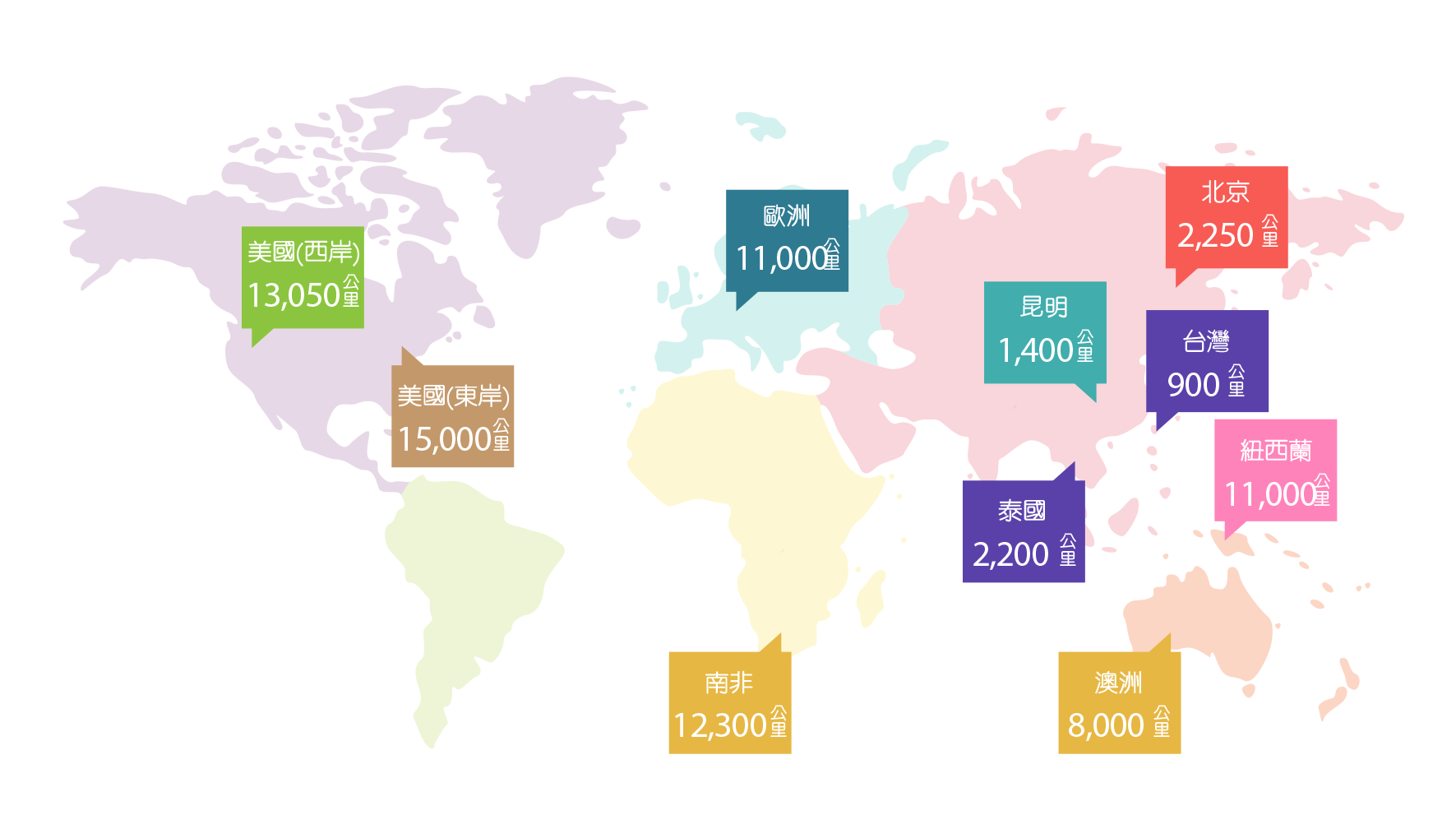
Distance between Hong Kong and common places of origin:
Hong Kong is a city heavily reliant on imports, and the wide variety of imported products greatly facilitates our lives. However, long-distance transportation of these products generates significant amounts of greenhouse gases. Statistics show that Hong Kong’s per capita carbon emissions are 29 tons per year, ranking second globally. (Data source: Carbon Footprint of Nations: A Global, Trade-linked Analysis) To practice low-carbon emissions reduction and mitigate global warming, this center urges everyone to buy more locally produced food, especially locally grown organic food. This supports emissions reduction while ensuring food safety. If locally produced products are unavailable, try to choose products that are transported from nearby locations.
Are your three meals a day "carbon-increasing" or "carbon-reducing"?
你是否知道我們平時的一日三餐,就可能為地球增加了大量的溫室氣體?有研究顯示我們平時吃的肉類及其副產品,竟是全球變暖的最大「元兇」,每年全球畜牧業及其副產品的溫室氣體排放量占了51%。(數據來自World Watch Magazine 2009年11月號)相反,素食一天就可以為地球減少0.213噸,如果全香港700萬人均願意一星期吃素一天,一年便可以減150萬噸二氧化碳,相等於6,500棵樹木一年的吸收量。(數據來自Green Monday)因此,本中心呼籲大家多吃蔬果,少吃肉,養成健康的飲食習慣之餘還能夠對抗氣候暖化!